
 Jun 07, 2025
The threat and uncertainty of U.S. tariffs on imported products has had a chilling effect on companies’ plans for international investment around the globe. When it is unclear whether today’s expansion of manufacturing facilities overseas or deal for materials or components will result in unanticipated costs weeks or months into the future, effective planning is nearly impossible. Yet Netflix’s announcement earlier this year of their intention to invest $1 billion in Mexico over the next four years highlights the opportunities that still exist in international investment.
On February 20 this year, co-CEO of Netflix Ted Sarandos held a press conference with Mexican president Claudia Sheinbaum to announce the company’s commitment to produce series and films in the country from 2025 to 2028, partnering with local production companies and others in Mexico’s creative community. In addition to this $1 billion investment, the company will also be investing $2 million in Churubusco Studios in Mexico City, helping to update and modernize one of the oldest, largest production facilities in the country. This comes on top of the $1 million fund they created last year to fund programs to help develop behind-camera talents in the entertainment industry to build a base of local professionals.
These moves mark only the latest steps in Netflix’s long association with Mexico. The service first became available in Mexico in September 2011. Then, in 2015, Netflix produced its first series outside of the U.S., Club de Cuervos, there. In 2019, the company opened its first offices in Mexico, followed swiftly by establishing its Latin American headquarters in the country in 2020. The company’s local employee base has grown from 30 to almost 400 in the past six years.
In the press conference, Sarandos noted that their programming strategy is all about local production and cited the critical success of many of their feature-length films. This includes Alfonso Cuaron’s Roma, which won the Oscar for best international feature in 2019, and Guillermo del Toro’s Pinocchio, which won for best animated feature in 2023. He also cited the work that Netflix has done with Mexican creators on hundreds of other series and films such as The House of Flowers, Where the Track Ends, Love Sick, and The Dead Girls. Not only has this work nurtured the film industry, but it has also had positive spillover effects in industries that support production, including hospitality, transportation, and manufacturing.
While Netflix’s press conference framed their work in terms of the benefits it provides to Mexico, they are taking advantage of circumstances that have attracted a growing amount of film production work from both American and European companies. Lower production costs; a skilled workforce in the film and television industry; diverse filming locations; established infrastructure, including studios, post-production facilities, and other resources; and attractive tax incentives can make it much more cost-effective to film in Mexico than in the U.S., while its proximity makes it convenient for productions involving U.S. talent or equipment.
Many of these same factors are a significant advantage for other service-based industries looking for expansion opportunities beyond U.S. borders. Highly educated, bilingual talent in fields such as finance, information technology (IT), and communications at labor costs far below that of the U.S. can help companies stay competitive without sacrificing quality or the convenience of having teams located in compatible time zones. Yet while Mexico is known for offering a favorable business climate, companies looking to establish or expand operations in the country can potentially run afoul of the complex processes necessary to establish themselves legally if they do not have knowledgeable local counsel.
MBL is the partner your company needs for effective nearshoring in Mexico, helping you navigate every aspect of assessing your opportunities and handling the legal aspects so you can focus on operations. To find out more about how we can streamline moving your service teams south, contact us here today.
Setting up operations in Mexico involves navigating a range of legal, regulatory, and compliance requirements that vary by industry, location, and business model. Here are the key legal considerations companies must account for:
✅ 1. Business Entity Formation
–Legal structures include Sociedad Anónima (S.A.) or Sociedad de Responsabilidad Limitada (S. de R.L.).
-Foreign investors must obtain a Registro Federal de Contribuyentes (RFC) (tax ID) and register with –Registro Público de Comercio (Public Registry of Commerce).
The Foreign Investment Law allows 100% foreign ownership in most sectors, but restricted industries (e.g., hydrocarbons, radio broadcasting) require special approvals.
✅ 2. Labor & Employment Compliance
-Governed by the Federal Labor Law (Ley Federal del Trabajo).
Companies must:
-Draft written employment contracts (required by law).
-Provide mandatory employee benefits (profit sharing, holidays, bonuses).
-Register with IMSS (Mexican Social Security Institute) for social security and health coverage.
✅ 3. Environmental & Operational Permits
–Environmental Impact Assessment (MIA) may be required depending on business activity.
-Local governments may require land-use permits, sanitation compliance, and municipal licenses.
-Import/export operations may require SAGARPA (agriculture) or COFEPRIS (health) permits.
✅ 4. Taxation & Customs
-Businesses are subject to 16% VAT, ISR (income tax), and other federal/local taxes.
-Companies engaged in cross-border trade must register with SAT (Mexican Tax Authority) and follow customs rules under USMCA.
-Consider PROSEC and IMMEX programs for tariff and VAT exemptions if exporting goods.
✅ 5. Foreign Exchange & Capital Controls
-There are no formal currency controls, but capital inflows/outflows must be documented.
-Certain investments must be reported to Mexico’s National Registry of Foreign Investment (RNIE).
✅ 6. Anti-Corruption, IP & Compliance Laws
-Mexico has ratified OECD anti-bribery rules and enforces anti-corruption through Ley General de Responsabilidades Administrativas.
-IP protection is managed through IMPI (Mexican Institute of Industrial Property)—registering trademarks and patents is strongly advised.
 Sep 16, 2026
North America is open for business. Companies in India, Europe, Latin America, and Africa that are ready to access the US market now have one coordinated engagement that covers both sides of what a successful entry requires. The legal structure that protects it. The AI marketing infrastructure that makes US buyers trust it.
Aug 11, 2026The firm frames Mexico as a complement to Asia, where speed to market now matters more than labor cost for Indian manufacturers eyeing the U.S. SAN DIEGO, CA, UNITED STATES,…
 Jul 20, 2026
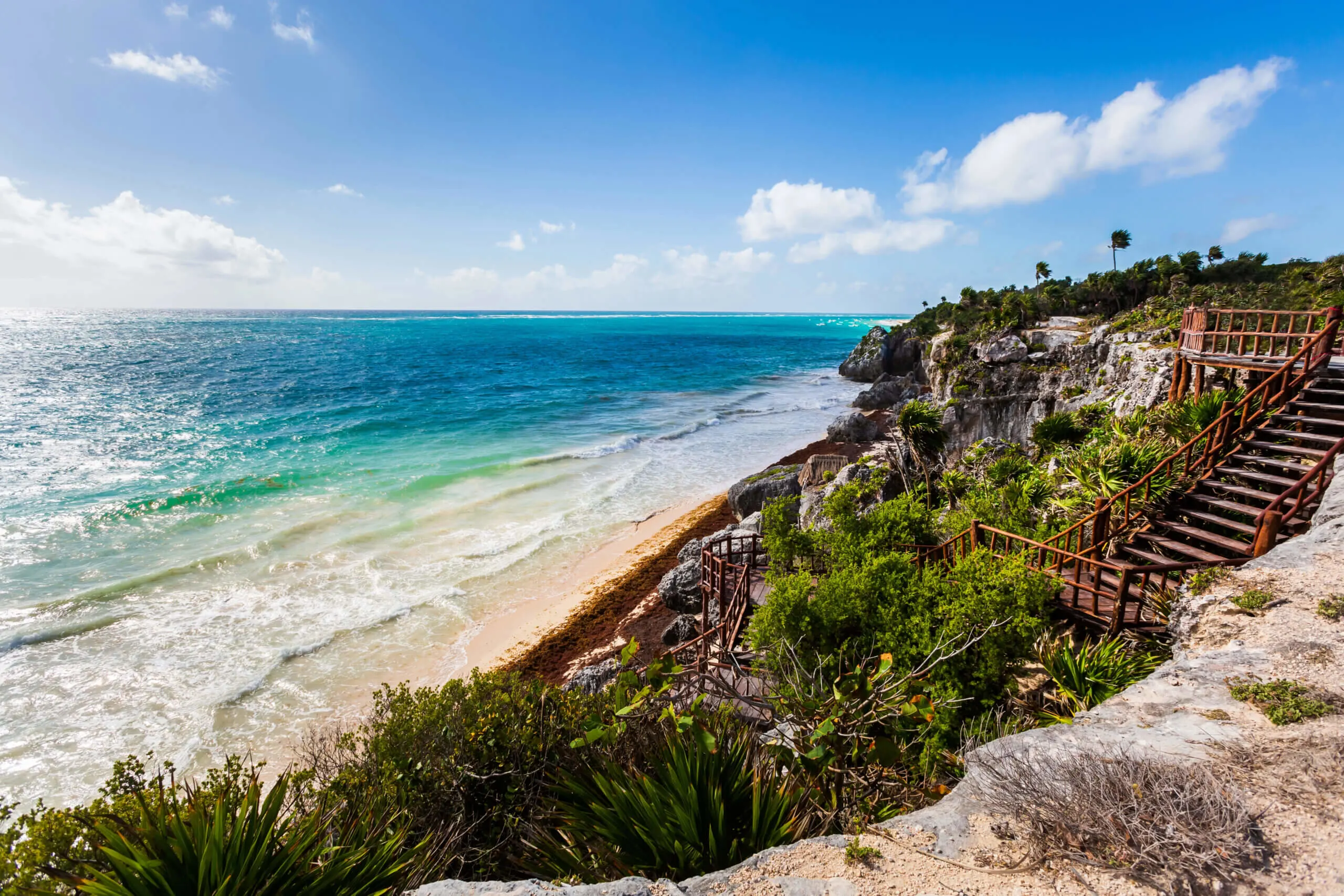
Firm reports rising U.S. demand in Tulum, Los Cabos, and Mexico City, and the role of specialized local counsel in protecting buyers. Mexico Business Lawyers, a cross-border firm serving U.S.-based…

