
 May 10, 2025
On April 9, the Trump administration announced a pause on threatened tariffs on imports from most U.S. trade partners, encompassing 60 individual nations and the European Union. After the month preceding, which saw a flurry of tariff action that left businesses unsure how they would be impacted from day to day, the pause represents a welcome break for businesses all over the world to assess the possible effects of new import taxes and to prepare.
As of this writing, U.S. Customs and Border Patrol’s official statement indicates that goods from Mexico that satisfy U.S.-Mexico-Canada Agreement (USMCA) rules of origin will not be subject to tariffs, while a 25% tariff will apply to those that do not. Additionally, a lower tariff (10%) applies to potash from Mexico that falls outside the USMCA. Yet anybody who followed the development of tariff action by the U.S. from early February knows that the picture could shift drastically at any time, as tariffs are enacted at the president’s discretion.
While it remains unclear that the Trump administration’s trade policies will accomplish any of a myriad of stated goals—including raising hundreds of billions of dollars of revenue while increased domestic production—they have already produced upheaval in the global market. The Mexican government’s response has been to attempt to de-escalate the situation, though it is still weighing the possibility of imposing retaliatory tariffs of 5 to 20% on U.S. products.
Investors who opened or purchased businesses in Mexico, as well as multinationals who nearshored operations to solve supply chain issues and take advantage of existing free trade agreements, may be wondering if the time has come to migrate their business to the U.S. At the end of March, however, Walmart announced that it would be investing more than $6 billion in Mexico in 2025, joining Amazon, Mercado Libre, Netflix, and Spanish bank Santander in pursuing major investments in the country.
What are some of the challenges facing companies attempting to chart a stable path forward?
| Challenge Area | Description |
| Supply Chain Issues | Companies should diversify their supply chains to rely less on imported components, use domestic sources, or create backup sourcing strategies to protect against price increases and disruptions. |
| Intercompany Pricing & Compliance | Multinationals must adjust internal pricing to account for tariffs, align customs values and transfer pricing, and ensure tax reporting avoids penalties or overpayment. |
| Global Tax Structures | Companies need to develop tax strategies that consider tariffs, corporate taxes, VAT, and logistics to find the most financially sound structure. |
| Pricing & Brand Perception | Businesses may need to raise prices due to tariffs and must handle it carefully to maintain brand value and customer trust, while staying competitive. |
| Mergers & Acquisitions | Buyers are now evaluating targets based on their tariff exposure, pricing flexibility, and customer base, which could affect valuations and deal structures. |
| Regulatory Compliance | Companies need strict oversight to comply with tariff and duty laws and must reflect tariff impacts clearly in financial records. |
Examining these issues now can help your business prepare for evolving market conditions, without making hasty decisions that could negatively affect your company’s long-term interests.
If you have a business or subsidiary in Mexico and are concerned about the impact of tariffs, MBL can provide the expert legal guidance you need to evaluate your exposure and determine the optimal strategy to preserve your profitability, whether that is to keep your operations in Mexico or to migrate your business to the U.S. Our expert team will provide strategic solutions to help your business adapt regardless of what comes next. To learn more, contact us here to schedule your consultation.
 Sep 16, 2026
North America is open for business. Companies in India, Europe, Latin America, and Africa that are ready to access the US market now have one coordinated engagement that covers both sides of what a successful entry requires. The legal structure that protects it. The AI marketing infrastructure that makes US buyers trust it.
Aug 11, 2026The firm frames Mexico as a complement to Asia, where speed to market now matters more than labor cost for Indian manufacturers eyeing the U.S. SAN DIEGO, CA, UNITED STATES,…
 Jul 20, 2026
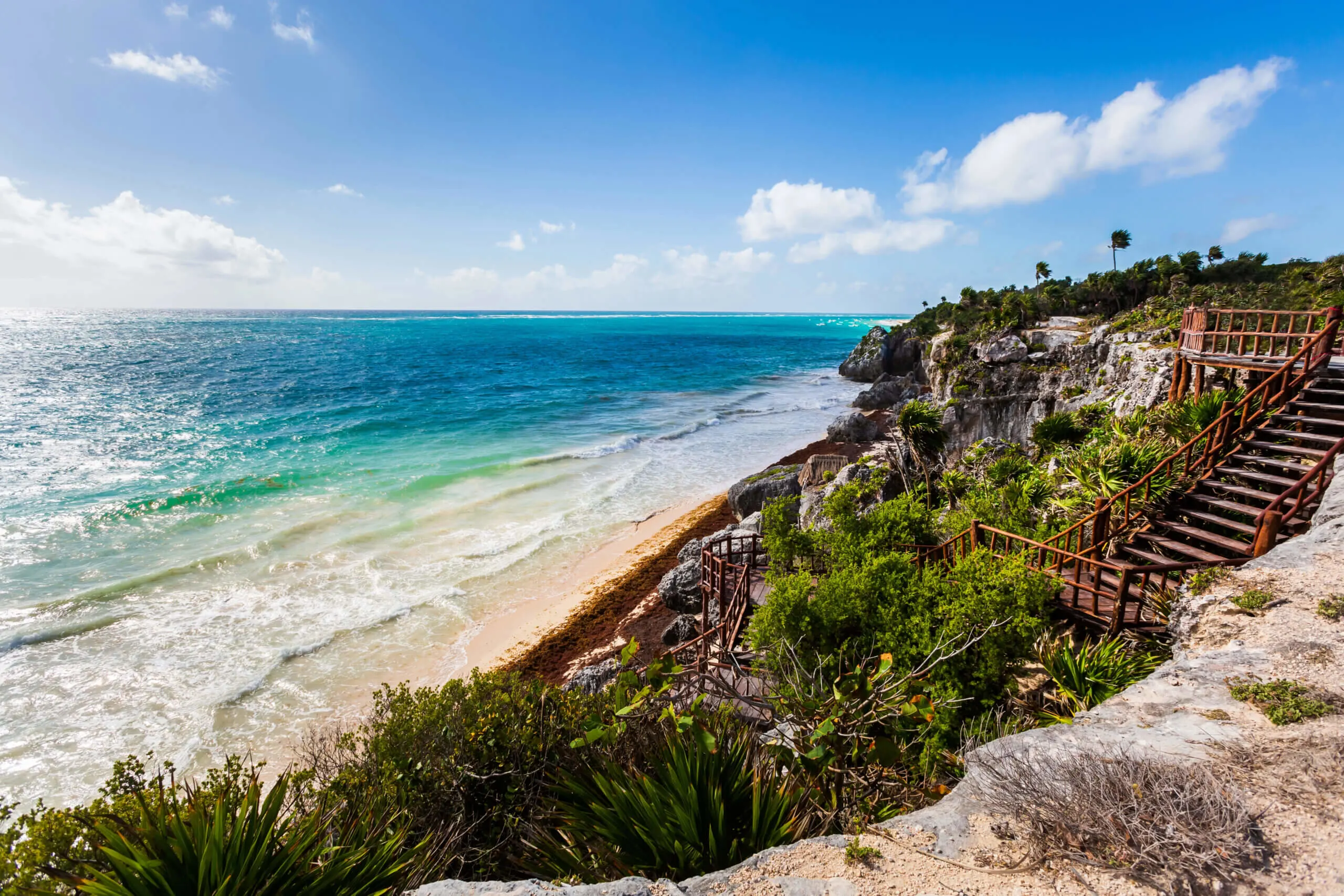
Firm reports rising U.S. demand in Tulum, Los Cabos, and Mexico City, and the role of specialized local counsel in protecting buyers. Mexico Business Lawyers, a cross-border firm serving U.S.-based…

