
 May 20, 2025
If you enjoyed Part 1 of our series of 3 articles on setting up a business in Mexico, this article, Part 2 addresses the following topics:
Read the full article here:
Protecting intellectual property (IP) is crucial when doing business in Mexico, as the country offers a comprehensive legal framework to safeguard trademarks, patents, and copyrights. Businesses should register their intellectual property with the Instituto Mexicano de la Propiedad Industrial (IMPI) to obtain legal recognition and protection. Once registered, these rights allow the owner to prevent unauthorized use of their intellectual property.
In addition to national laws, Mexico is a member of international treaties, such as the Paris Convention and the WTO’s TRIPS Agreement, which further strengthen IP protection for foreign businesses. It is vital to ensure that your brand, logo, and products are legally protected from infringement to avoid costly legal battles in the future.
| What are the key sectors of the Mexican economy? | Mexico’s economy is diversified, with key sectors that offer vast opportunities for foreign investors. Manufacturing, particularly in the automotive and aerospace industries, is a dominant sector due to Mexico’s trade agreements and proximity to the U.S. Agriculture, telecommunications, and tourism are also vital parts of the economy, while energy is an emerging sector, with foreign investments increasing following reforms in oil, gas, and renewable energy markets. |
| What investment incentives and government policies exist? | The Mexican government offers several incentives to attract foreign investment, including tax breaks, reduced tariffs, and financial assistance programs in specific industries. Mexico’s numerous Free Trade Agreements (FTAs), including USMCA with the United States and Canada, further enhance investment prospects by reducing trade barriers. The Maquiladora program also provides tax and customs benefits for manufacturing companies exporting goods. Moreover, Mexico has made substantial regulatory reforms in sectors like energy, allowing for greater foreign participation and reducing restrictions in previously state-controlled industries, opening new opportunities for international investors. Mexico has made substantial regulatory reforms in sectors like energy, allowing for greater foreign participation and reducing restrictions in previously state-controlled industries, opening new opportunities for international investors. |
Yes, in most sectors, foreigners can own 100% of a Mexican company. However, restricted industries such as energy, transportation, and broadcasting may require compliance with additional regulations.
Foreign-owned companies must comply with Mexico’s tax laws, including income tax, VAT, and payroll taxes. Tax treaties—such as the U.S.-Mexico treaty—help prevent double taxation, but strategic planning is essential.
No, a Mexican partner is not legally required in most industries. Foreign investors can fully own the company, though working with local legal counsel and advisors is strongly recommended for compliance.
There’s no minimum capital requirement for most business types, but having sufficient capital to demonstrate financial viability may help with banking and visa processes.
Yes, but you must appoint a legal representative in Mexico to handle compliance and operations. Remote management is possible, but having on-the-ground support is crucial.
Business owners can apply for temporary residency tied to their investment. Proof of company formation and sufficient income/assets are typically required. Our immigration team can assist with all your questions HERE
Yes. Mexico offers tax breaks, import/export benefits (like the IMMEX/maquiladora program), and incentives based on region or industry. These vary by sector and location.
For detailed information pertaining your case contact our business law attorneys HERE
 Sep 16, 2026
North America is open for business. Companies in India, Europe, Latin America, and Africa that are ready to access the US market now have one coordinated engagement that covers both sides of what a successful entry requires. The legal structure that protects it. The AI marketing infrastructure that makes US buyers trust it.
Aug 11, 2026The firm frames Mexico as a complement to Asia, where speed to market now matters more than labor cost for Indian manufacturers eyeing the U.S. SAN DIEGO, CA, UNITED STATES,…
 Jul 20, 2026
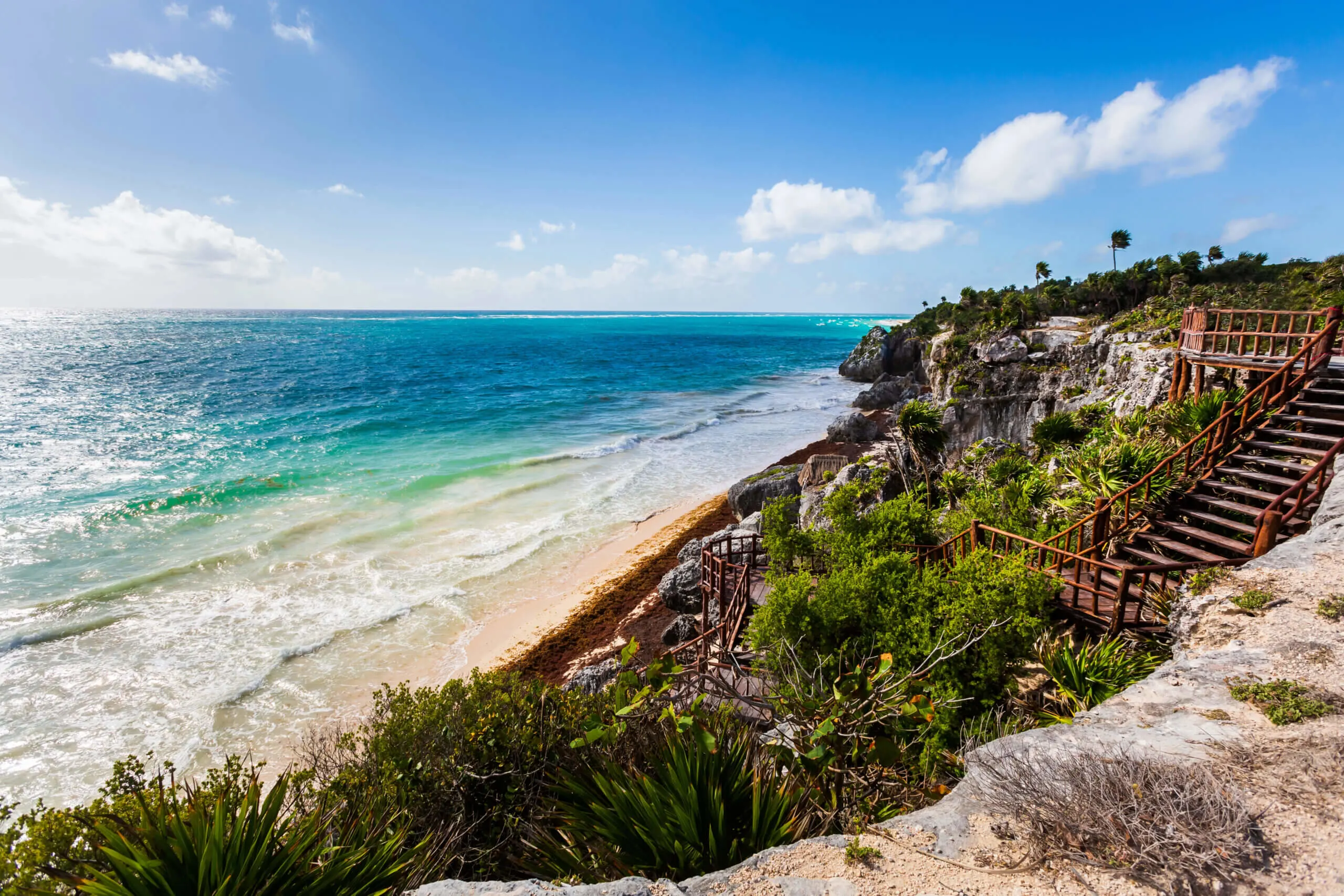
Firm reports rising U.S. demand in Tulum, Los Cabos, and Mexico City, and the role of specialized local counsel in protecting buyers. Mexico Business Lawyers, a cross-border firm serving U.S.-based…

